
Loading...
Loading...
Modern firearms have evolved significantly over the past century. Advances in engineering, materials, manufacturing, and optics have transformed firearms into highly reliable tools used for sport shooting, hunting, personal defense, law enforcement, and military applications.
For new firearm owners and experienced shooters alike, understanding how modern firearms work can help improve safety, performance, and overall confidence. From handguns and rifles to shotguns and advanced optics systems, today’s firearms offer a wide range of options designed to meet different needs.
This guide covers the fundamentals of modern firearms, including their types, key components, safety features, and current innovations shaping the industry.
A firearm is a device that launches a projectile through a barrel using the force generated by a controlled explosion.
Modern firearms are designed to provide improved accuracy, reliability, and ease of use compared to earlier generations. Manufacturers continuously refine designs to enhance durability and performance across various shooting environments.
Today’s firearms are available in numerous configurations, calibers, and operating systems, giving shooters a broad selection to choose from.
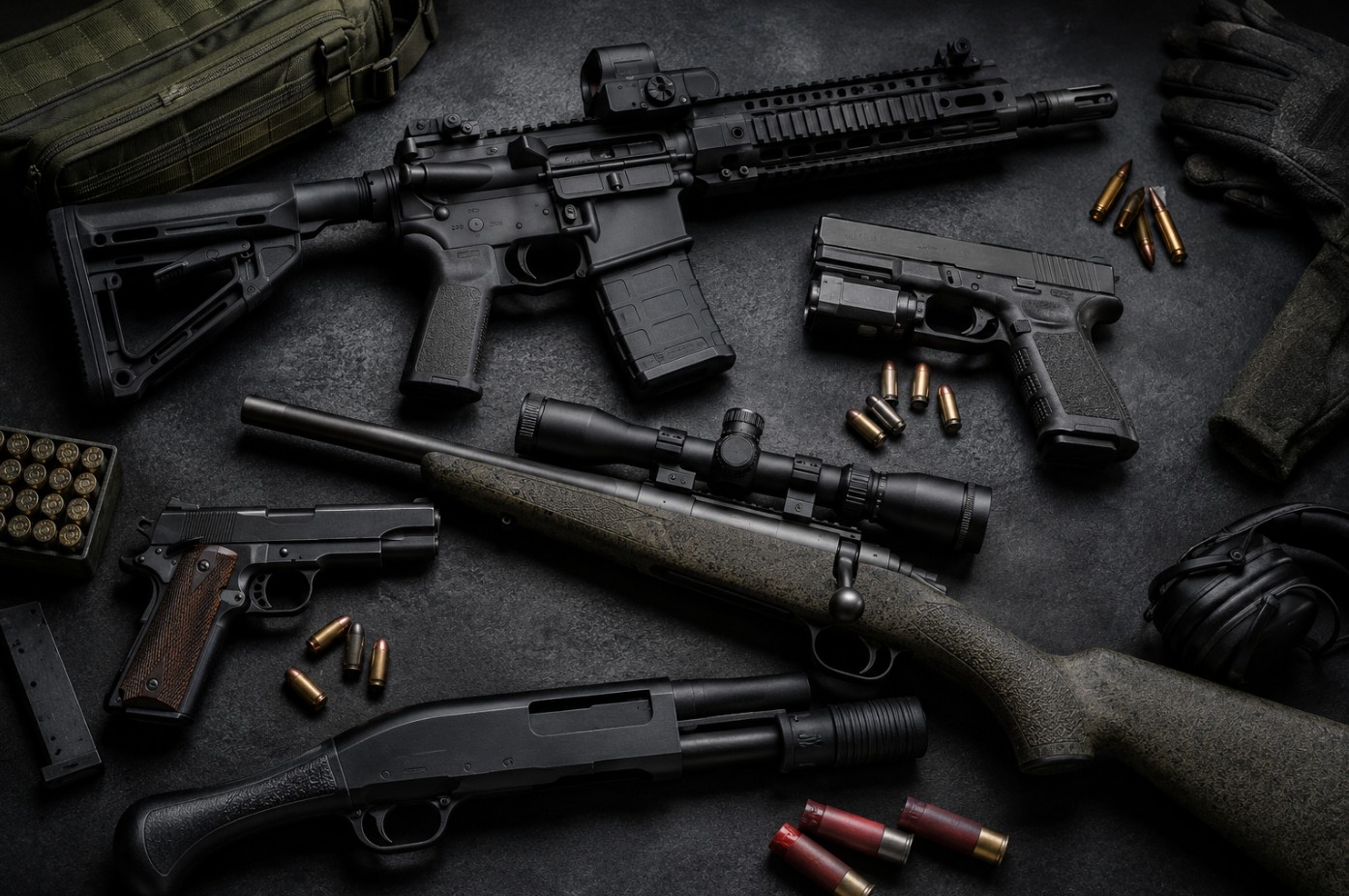
Firearms are generally grouped into three primary categories.
Handguns are compact firearms designed to be operated with one hand, although many shooters use a two-handed grip for better control.
Common handgun types include:
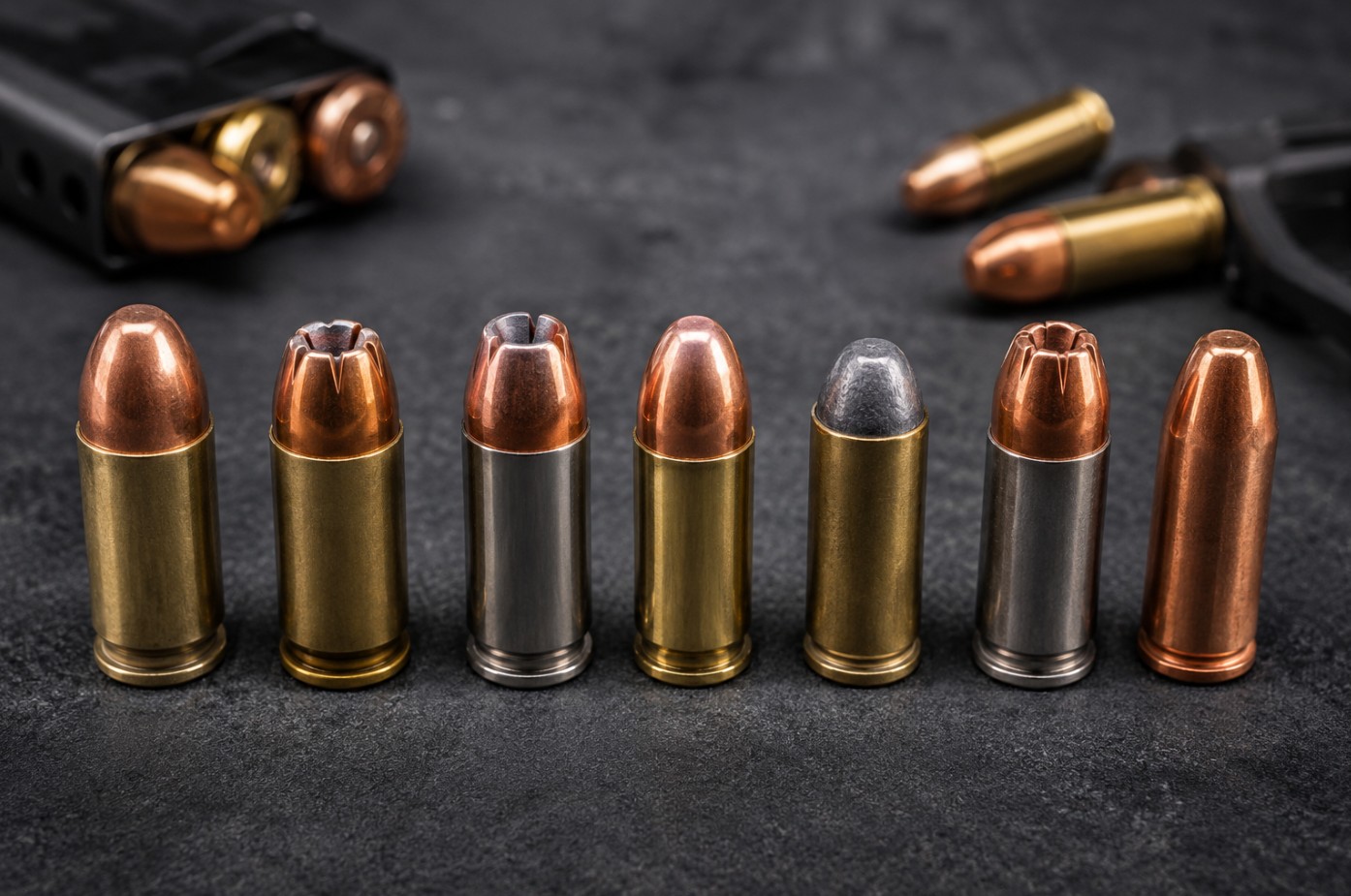
Popular handgun calibers include:
Handguns are frequently used for:
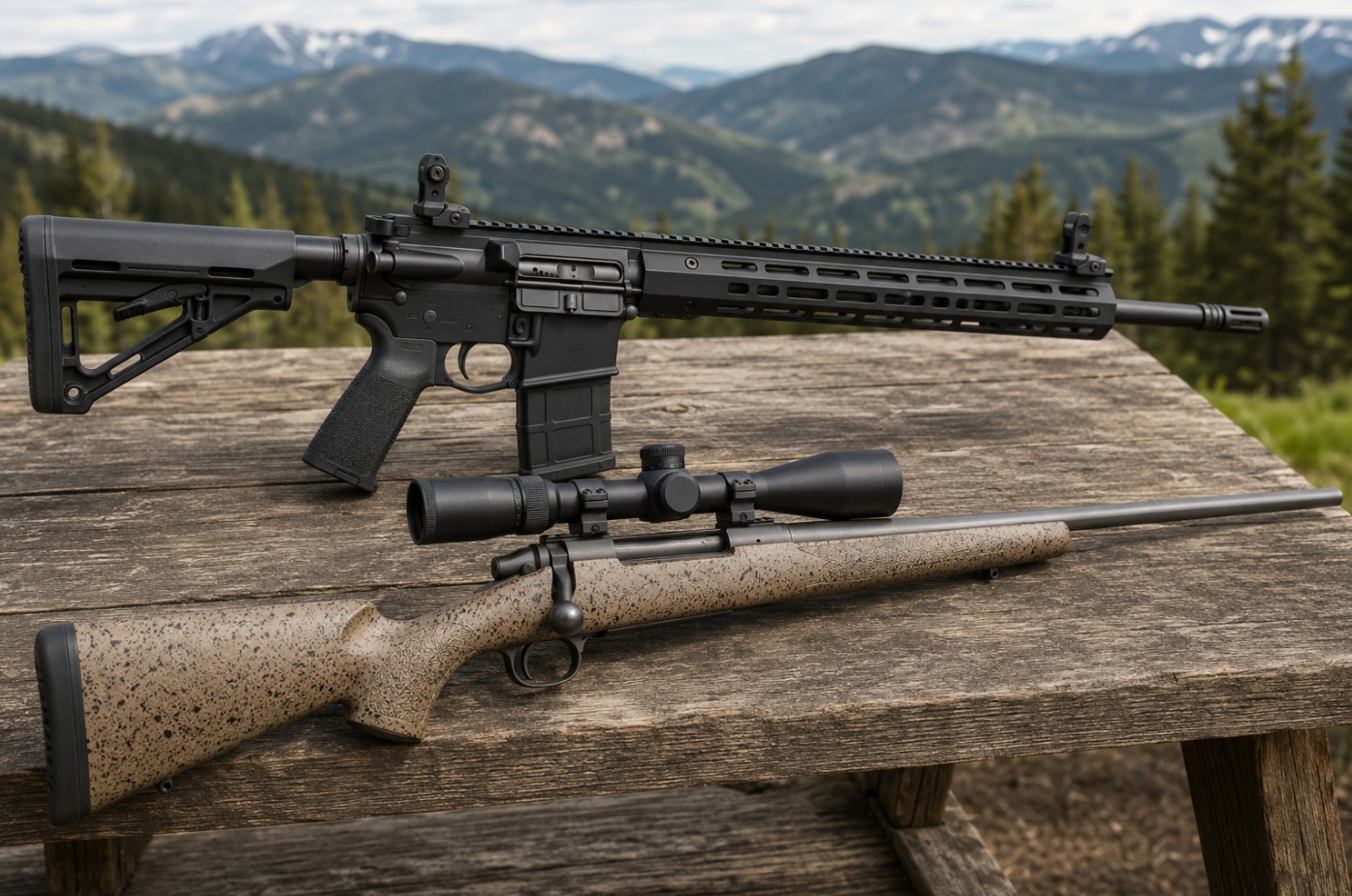
Rifles feature longer barrels and are typically fired from the shoulder.
Common rifle categories include:
Rifles are often chosen for:
Shotguns fire shells that contain either multiple pellets or a single slug.
Popular shotgun types include:
Common uses include:
Although firearms vary in design, most share several key components.
The barrel directs the projectile toward the target.
Modern barrels are manufactured with high precision to improve consistency and accuracy.
The action refers to the mechanism responsible for loading, firing, and ejecting ammunition.
Examples include:
| Action Type | Description |
|---|---|
| Semi-Automatic | Loads the next round automatically |
| Bolt Action | Requires manual bolt operation |
| Pump Action | Uses a sliding fore-end |
| Lever Action | Uses a lever beneath the receiver |
| Revolver Action | Rotating cylinder system |
The trigger releases the firing mechanism.
Many modern firearms feature improved trigger systems that provide a smoother and more consistent pull.
The magazine stores ammunition before it is fed into the chamber.
Common magazine styles include:
Modern firearms can utilize various aiming systems.
These include:
Safety remains one of the most important aspects of firearm ownership.
Manufacturers have incorporated numerous safety mechanisms into modern firearm designs.
Many firearms include a manual safety that prevents the firearm from firing until disengaged.
Certain firearms feature trigger-integrated safeties that help reduce the risk of accidental discharge.
These internal components prevent the firing pin from moving unless the trigger is intentionally pressed.
Modern designs often include mechanisms that help prevent unintended firing if a firearm is dropped.
The firearms industry has experienced significant innovation in recent decades.
Modern firearms frequently utilize:
These materials help reduce weight while maintaining strength and durability.
Computer-controlled machining processes have improved consistency across firearm production.
Benefits include:
One of the most noticeable advancements involves optics-ready firearm designs.
Many modern handguns and rifles are manufactured with mounting systems that accommodate:
This allows shooters to customize their setup more easily than ever before.
Firearms serve many legitimate purposes.
Millions of firearm owners enjoy target shooting at local ranges.
Popular activities include:
Competitive shooting sports continue to grow in popularity.
Examples include:
These competitions challenge shooters in speed, accuracy, and firearm handling.
Modern firearms are widely used for hunting various game species.
Hunters often select firearms based on:
Many firearm owners choose modern handguns or rifles for personal protection and home defense purposes.
Reliability, ease of operation, and familiarity often influence these choices.
Selecting a firearm depends on several factors.
Important considerations include:
New shooters often benefit from handling multiple firearm models before making a purchase.
Comfort and fit can significantly impact shooting performance.
Owning a firearm carries important responsibilities.
Every firearm owner should prioritize:
Fundamental firearm safety rules should always be followed, regardless of experience level.
Key principles include:
The firearms industry continues to evolve through innovation and technological advancement.
Emerging developments include:
As these technologies mature, shooters can expect continued improvements in reliability, accuracy, and user experience.
Modern firearms represent the result of decades of engineering advancements, offering shooters a wide variety of options for sport shooting, hunting, competition, and personal defense. Understanding firearm types, components, safety features, and technological developments provides a strong foundation for making informed decisions.
Whether you are purchasing your first handgun, upgrading a hunting rifle, or exploring competitive shooting, a solid knowledge of modern firearms can help you select the right equipment and become a safer, more confident shooter. As technology continues to advance, modern firearms will remain an important part of recreational shooting and outdoor traditions for generations to come.